Does birth control help pelvic congestion syndrome? For some women, yes. Certain hormonal medicines, including some types of contraception, can ease the dull, heavy pelvic ache by calming the ovaries. But the research is limited, the medicines do not repair the faulty veins, and symptoms often come back after stopping. This guide explains the medicines doctors use, how they are thought to work, what the evidence shows and the side effects to know about.
Why hormones affect pelvic congestion
In pelvic congestion syndrome (PCS), widened pelvic veins with faulty valves let blood flow backwards and pool. Hormones from the ovaries play a part:
- Oestrogen is thought to relax vein walls and widen veins.
- The ovaries drive a lot of blood flow through the pelvic veins, especially at certain points in the cycle.
That is why PCS mainly affects women before menopause, why pain often changes with periods, and why symptoms often ease after menopause. Medicines that quieten the ovaries or lower oestrogen may let the veins tighten and the ache settle. You can read more in our guide to what causes pelvic congestion syndrome.
Hormonal options
Progestogens such as medroxyprogesterone acetate (MPA)
Medroxyprogesterone acetate is a man-made form of progesterone. It is the most studied medicine for pelvic congestion. It reduces ovarian activity and can stop periods.
What the evidence shows: a Cochrane review of non-surgical treatments for chronic pelvic pain found that, in two trials, more women on MPA had their pain halved compared with a dummy tablet at the end of treatment, with some benefit lasting up to nine months. The evidence was judged moderate quality. Women taking MPA reported more side effects, such as weight gain and bloating. In practice, symptoms often return within months of stopping.
MPA can be given as tablets, and a form of it is also used as a contraceptive injection.
GnRH analogues
GnRH analogues, such as goserelin, switch off the ovaries for a while, causing a temporary and reversible menopause. In one small trial of 47 women, goserelin improved pain, sexual function and mood more than MPA, and the veins looked better on a venogram a year later.
The downside is side effects: hot flushes, vaginal dryness, low mood, lower sex drive and bone thinning. Because of these, GnRH analogues are usually limited to about six months. Doctors sometimes add a low dose of hormone replacement (“add-back” therapy) to reduce side effects. Your doctor will also advise on contraception while you take them.
The combined pill
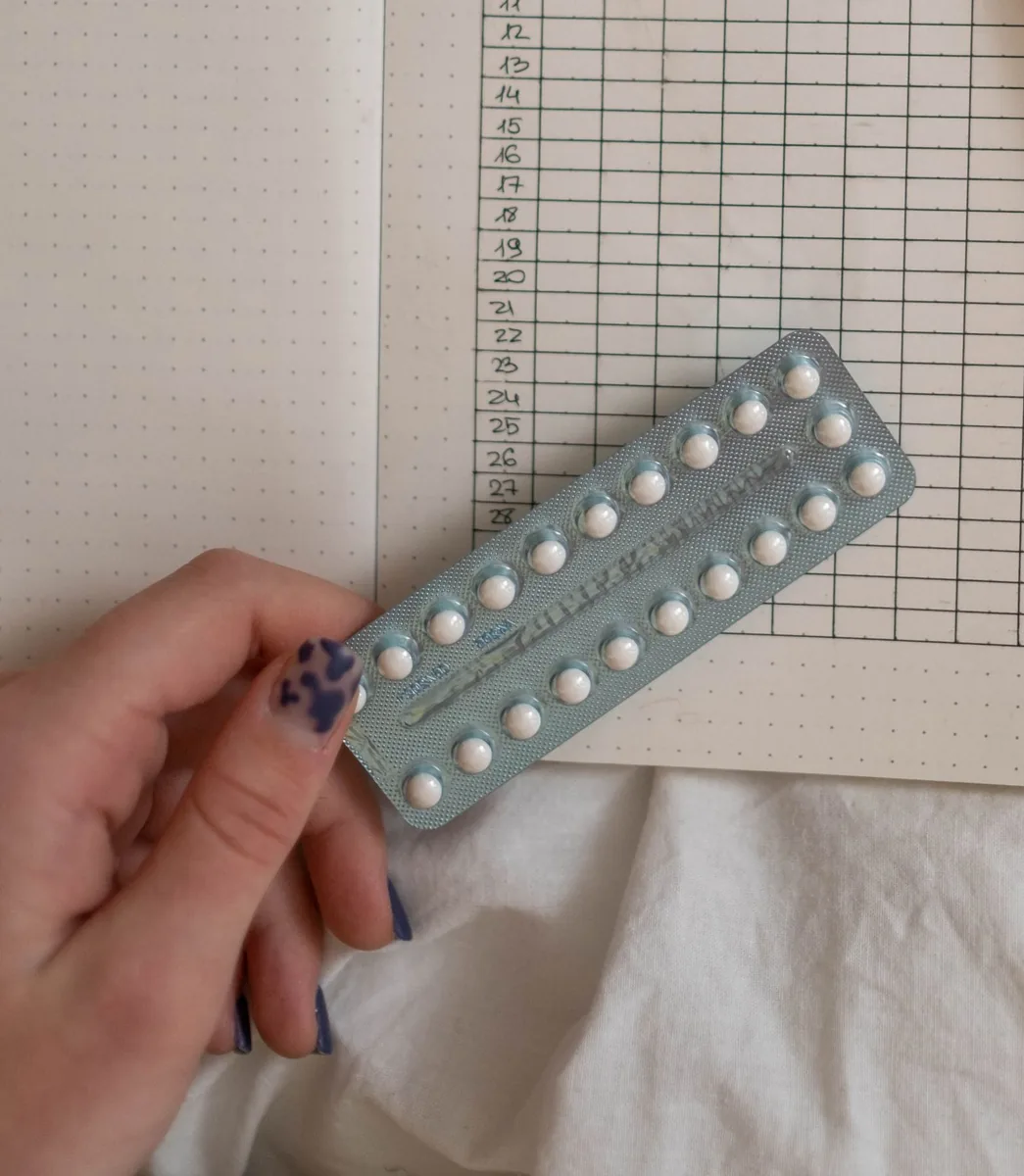
The combined oral contraceptive pill contains oestrogen and a progestogen. It can make periods lighter and more regular, and some doctors use it for cyclical pelvic pain. There is little research on it for pelvic congestion specifically. Because oestrogen is thought to play a part in widened pelvic veins, and the combined pill slightly raises the risk of blood clots, some doctors prefer progestogen-only options. It is not suitable for everyone, for example some women with migraine with aura, a past clot or high blood pressure.
The contraceptive implant
The etonogestrel implant is a small progestogen rod placed under the skin of the arm. It lasts for several years and can be removed at any time. One small study reported less pain in women with pelvic congestion who had the implant, but it was tiny, and the journal has since published an expression of concern about it. So the evidence is weak. Irregular bleeding is a common side effect.
So, does birth control help?
Putting it together:
- Progestogen-based options (MPA, the implant) have the most evidence, though from small studies.
- The combined pill is less studied and may not suit everyone.
- GnRH analogues are not contraceptives, but they are the strongest hormonal option for short-term relief.
- None of them fixes the veins. They control symptoms while you take them.
Hormonal medicines are not an option while you are trying to get pregnant. Talk to your doctor about your plans before starting.
Painkillers
Anti-inflammatory painkillers (NSAIDs), such as ibuprofen, naproxen or mefenamic acid, can ease the ache for some women, particularly around periods. They are not suitable for everyone. Check with a doctor or pharmacist first if you have had a stomach ulcer, have kidney or heart problems, have asthma that is made worse by these medicines, are pregnant, or take blood thinners. Common side effects include indigestion and stomach ache.
Paracetamol is an alternative for some people. For long-standing pain, doctors sometimes use medicines that calm nerve pain, as part of wider chronic pelvic pain care. Using painkillers regularly for months is worth reviewing with a doctor rather than managing alone.
Venoactive drugs such as Daflon
Micronised purified flavonoid fraction (MPFF), sold under brand names such as Daflon, is a venoactive drug. It is designed to improve vein tone and reduce inflammation in the vein wall, and it is widely used for leg vein symptoms.
For pelvic congestion, the evidence is very limited. One single-blind trial of 83 women found that two months of MPFF improved pain, heaviness and quality-of-life scores compared with a dummy tablet. That is encouraging, but it was a single short study, and we do not know how long any benefit lasts. Availability and whether a prescription is needed vary between countries.
What about supplements?
There is no reliable evidence that vitamins, herbal remedies or other supplements treat pelvic congestion syndrome. Be cautious of products that claim to “unclog” or “strengthen” pelvic veins. Some supplements can interact with prescribed medicines, including blood thinners, so tell your doctor or pharmacist what you take.
Medicines or a procedure?
Medicines are a reasonable choice if you want to avoid a procedure, are not ready for one, have mild symptoms, or are nearing menopause, when symptoms often ease anyway. They can also be used while you wait for tests or treatment.
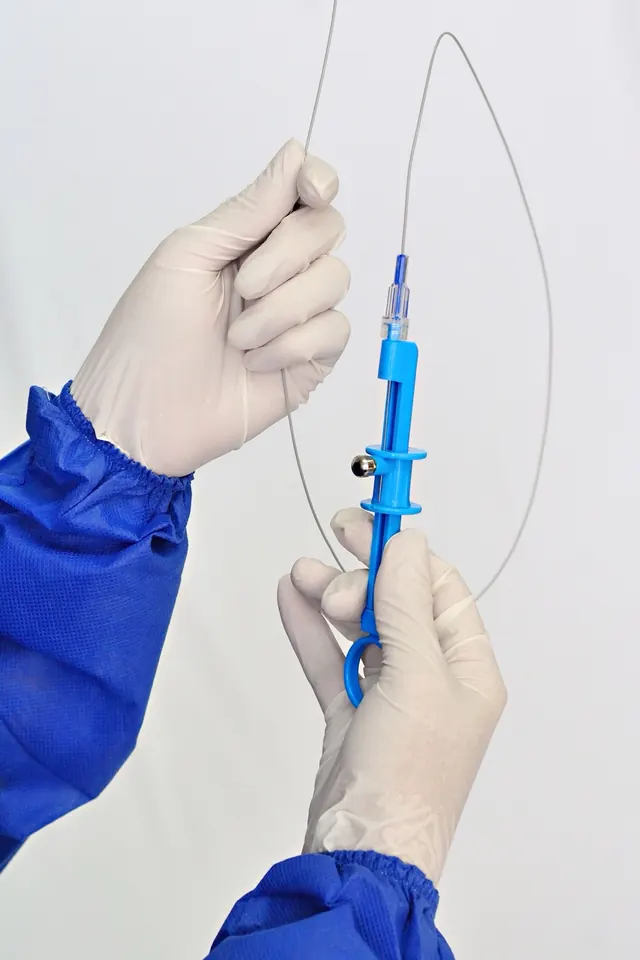
If pain persists, side effects are a problem, or you want a longer-lasting option, ovarian vein embolisation closes the faulty veins from the inside. The evidence for embolisation is also mostly from studies that are not randomised, so it is worth discussing the trade-offs. Our comparison of every pelvic congestion treatment option sets the options side by side, and self-care and exercise for pelvic congestion covers simple things you can do alongside medicines. A Singapore vascular surgeon’s overview of PCS treatment options gives another perspective.
Before starting any medicine, make sure other causes of pelvic pain, such as endometriosis, have been considered. See pelvic congestion vs endometriosis.
When to see a doctor
See a doctor if you have pelvic pain that has lasted for months, if pain affects sex, work or sleep, or if you are relying on painkillers most days. Speak to your doctor before starting, stopping or switching any hormonal medicine. Our pelvic symptom check can help you prepare for the appointment.
Get urgent medical help for sudden severe pelvic or abdominal pain, heavy vaginal bleeding, fever with pelvic pain, or pain or bleeding when you might be pregnant. If you take hormonal medicine, also get urgent help for a swollen, painful leg, sudden breathlessness, chest pain, or a sudden severe headache or vision change, which can be signs of a blood clot. In Singapore, call 995 in an emergency.
Frequently asked questions
Does birth control help pelvic congestion syndrome?
It can for some women. Progestogen-based options, such as medroxyprogesterone acetate or the contraceptive implant, aim to reduce ovarian activity and have been studied in small trials. The combined pill has been studied less. None of them repairs the veins, and pain often returns when they are stopped.
What medication is used for pelvic congestion syndrome?
The main options are progestogens such as medroxyprogesterone acetate, GnRH analogues such as goserelin, the combined pill, the contraceptive implant, anti-inflammatory painkillers and, in some countries, venoactive drugs such as MPFF. Which one suits you depends on your symptoms, side effects, other health conditions and pregnancy plans.
How does medroxyprogesterone help pelvic congestion?
Medroxyprogesterone acetate (MPA) is a progestogen. It is thought to reduce ovarian activity and oestrogen levels, which may let the pelvic veins tighten. In trials it reduced pain more than a dummy tablet, but it caused more side effects such as weight gain and bloating.
Does Daflon help pelvic congestion?
Daflon is a brand of micronised purified flavonoid fraction (MPFF), a venoactive drug used for leg vein symptoms. One small trial in women with pelvic congestion found improvements in symptoms over two months, but the evidence is very limited. Ask a doctor or pharmacist before using it.
Do supplements help pelvic congestion syndrome?
There is no reliable evidence that vitamins, herbal products or other supplements treat pelvic congestion syndrome. Tell your doctor or pharmacist about any supplements you take, as some can interact with other medicines.
Sources and further reading
- Cheong YC et al. Non-surgical interventions for the management of chronic pelvic pain. Cochrane Database Syst Rev 2014
- Soysal ME et al. A randomized controlled trial of goserelin and medroxyprogesterone acetate in the treatment of pelvic congestion. Hum Reprod 2001
- Akhmetzianov RV, Bredikhin RA. Clinical efficacy of conservative treatment with micronized purified flavonoid fraction in female patients with pelvic congestion syndrome. Pain Ther 2021
- Messina ML et al. Pelvic congestion syndrome as a differential diagnosis of chronic pelvic pain in women. Clinics (São Paulo) 2024
- NHS — NSAIDs
- CIRSE — Pelvic congestion syndrome (patient information)
This article is general information, not personal medical advice. Please speak to a doctor about your own symptoms. How we create our content.